
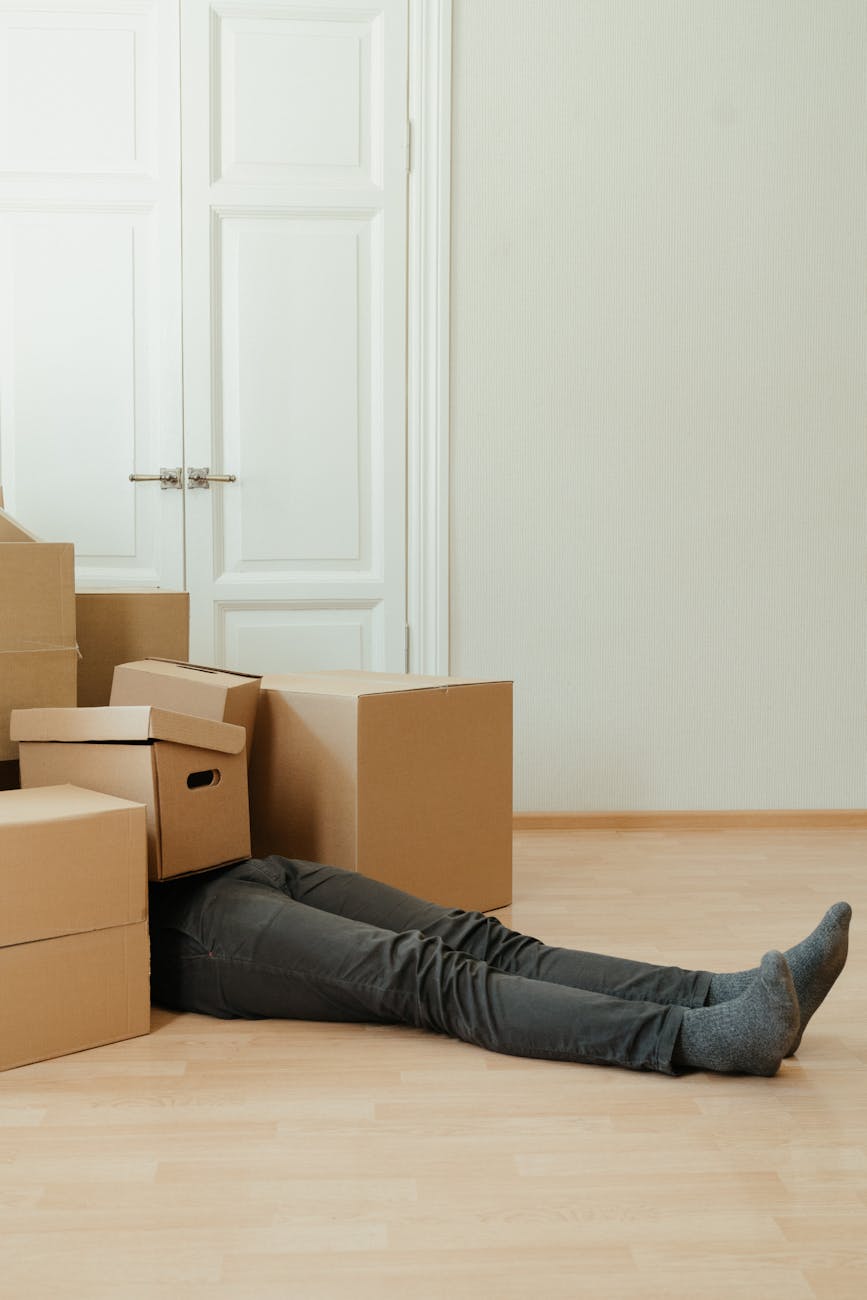
Let’s dive into a detailed, practical, and somewhat nerdy analysis of Savasana, also known as the Dead Man’s Pose or Corpse Pose. This pose, despite its simplicity, is packed with benefits and underlying subtleties that often get overlooked. Let’s break it down.
What is Dead Man’s Pose?
At first glance, Savasana looks deceptively easy—it involves lying flat on your back, arms and legs comfortably spread, eyes closed. But anyone who’s done yoga for a while knows that achieving complete relaxation while maintaining awareness is no small feat. It’s like the “calm at the eye of the storm” of the yoga world.
Biomechanical Breakdown:
From a physical perspective, Savasana involves zero muscle activation, but this is precisely the challenge: you have to release any subconscious tension. Let’s think of it like powering down a computer. You’re not asleep; you’re in a state of active rest, where your nervous system recalibrates itself.
- Spine and Core: The spine is neutral, resting against the floor. Since there’s no engagement, the muscles along the spine and core relax. It’s an invitation for decompression after the spinal extensions and twists of an active yoga practice.
- Limb Placement: Arms are positioned slightly away from the body, palms up, while legs splay naturally. This open posture signals the nervous system to relax. Every joint—shoulders, elbows, wrists, hips, knees, and ankles—follows gravity’s pull.
The Nervous System at Work!
Savasana stimulates the parasympathetic nervous system (PNS), responsible for rest and digestion. It counters the fight-or-flight response driven by the sympathetic nervous system (SNS). This shift into the parasympathetic mode:
- Lowers heart rate and blood pressure
- Slows down breathing (deep, diaphragmatic breaths)
- Reduces cortisol levels, decreasing stress
This is where Savasana becomes therapeutic. It’s like resetting your central processing unit (CPU) after running a bunch of intensive programs (a metaphor for the asanas, physical and mental stress). The body gets a signal: We’re safe. It’s time to restore.
The Mental Challenge
Here’s the part that gets nerdy—while Savasana is physically restorative, it’s often mentally challenging. Stillness can lead to restlessness for many practitioners. The true purpose of Savasana is not just to relax the body, but to still the mind. In this sense, it becomes a meditative practice.
- Focused Attention: You’re not supposed to fall asleep (though many do, especially beginners). Instead, the goal is mindfulness without engagement—acknowledging thoughts without getting lost in them. This trains the brain for more profound meditative practices, like concentration and insight.
- Brainwaves: During Savasana, brain activity slows from active beta waves (typical of waking consciousness) to alpha waves, associated with a relaxed, alert state. In deeper stages, practitioners might even experience theta waves, which occur during deep meditation or light sleep. This is where the brain is in a fertile state for processing and healing.
Practical Benefits of Savasana:
- Physical Recovery: After an intense yoga session, Savasana allows the body to absorb the benefits of the preceding poses. Think of it as a cool-down that enhances recovery.
- Mental Reset: It creates a moment of mindful reflection, helping to solidify the mental focus and clarity developed during practice. In short, it’s like a “save point” for the brain.
- Improved Sleep Quality: Regular practice of Savasana has been linked to better sleep patterns, especially for those dealing with insomnia or stress-induced sleep issues. It primes the brain for relaxation, which can carry over to improved sleep cycles.
Advanced Nerd Stuff: Energetic Aspects
In yoga philosophy, Savasana is where the subtle energy (prana) flows most freely. According to yogic tradition, we accumulate stress as energy blockages, and these need to be released. In Savasana, the free flow of prana helps dissipate these blockages, allowing for better energy distribution throughout the body.
In terms of the chakras, Savasana primarily activates the crown chakra (Sahasrara), at the top of the head, representing the mind’s connection to the universe. It’s the final resting posture that signifies the union between body, mind, and spirit—bringing together all the energy cultivated throughout the practice.
Common Misconceptions about Dead Man’s Pose:
- It’s Easy: While the physical setup is simple, the challenge is in maintaining conscious awareness without falling asleep. It takes mental discipline to stay alert.
- It’s Just for Rest: Many think Savasana is just a time to rest after yoga. However, it’s much more than that—it’s the point of integration where the body and mind process everything that happened during practice.
- Falling Asleep is a Success: Nope! If you’re snoozing in Savasana, it means you’ve lost that fine balance between relaxation and mindfulness. The aim is to remain in a state of heightened awareness, not sleep.
Pro Tips to Nail Your Savasana:
- Proper Alignment: Ensure your spine is straight and neutral. If your lower back feels tight, bend your knees and place a bolster or rolled blanket under them.
- Breath Awareness: Focus on your breath, allowing it to slow down naturally. Don’t force it; just observe.
- Mental Observation: Watch your thoughts pass by like clouds. Avoid engaging with them—just let them come and go.
- Don’t Rush: Give yourself at least 5-10 minutes in Savasana. This is when your body absorbs all the physical and mental benefits of your yoga session.
In Conclusion:
Savasana is the unsung hero of yoga poses. It doesn’t have the flashy moves or the deep stretches, but its subtlety is its strength. For both the body and the mind, it represents the ultimate form of balance—relaxing while remaining conscious, passive yet alert, soft yet powerful. Mastering it is like learning how to reset your inner operating system after a yoga practice or a stressful day.
So, the next time you lay down in Savasana, channel your inner nerd and appreciate the complex beauty of this seemingly simple pose!
Leave a Reply